Xbox Ecosystem Explained: Games, Rewards & The Microsoft Experience
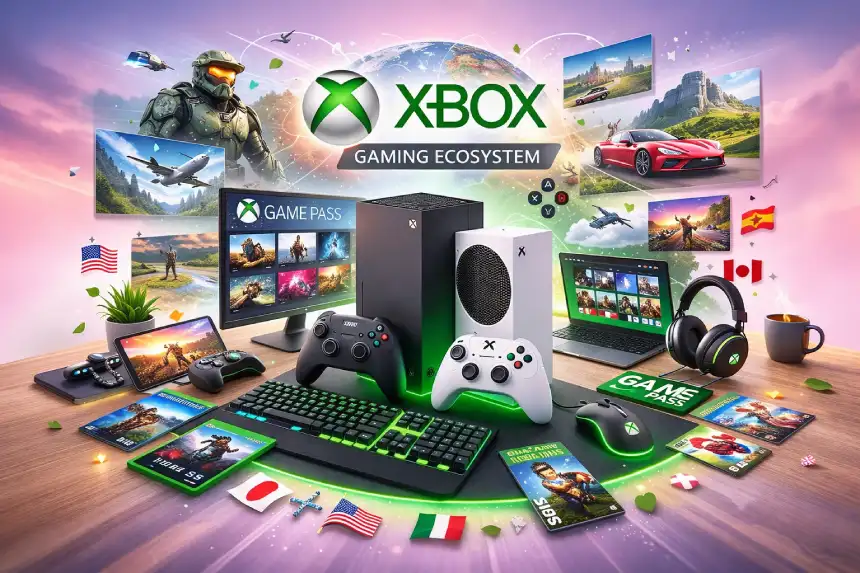
Xbox: More Than a Console, a Living Gaming Ecosystem
For many people, the word Xbox brings back a very specific feeling. Maybe it’s the memory of starting a game late at night, playing online with friends you’ve never met in real life, or simply relaxing after a long day. Xbox isn’t just a piece of hardware—it’s something that quietly becomes part of daily routines.
What makes Xbox interesting today is not only the console itself, but how it has grown into a broader ecosystem. Games, subscriptions, cloud play, communities, and accessibility all sit under one roof. This article looks at Xbox from a calm, human perspective: what it is, how it evolved, how people actually use it, and why it still matters.
No exaggerated claims, no technical overload—just a clear, thoughtful guide.
What Is Xbox?
Xbox is a gaming platform developed and owned by Microsoft. It began as a home console brand but has expanded into a complete gaming ecosystem that includes consoles, digital stores, subscription services, and cloud gaming.
At its core, Xbox is about access to games. Whether you prefer physical discs, digital downloads, or streaming games over the internet, Xbox is designed to support all of these ways of playing.
A Short Look at Xbox’s Evolution
When Xbox first launched, it entered a competitive space dominated by established gaming brands. Over time, it built its identity around online play, digital services, and player-friendly features.
Key moments in Xbox’s growth include:
The introduction of online multiplayer as a core feature
A strong focus on digital game libraries
The shift toward subscriptions instead of single purchases
Expansion beyond consoles into cloud and PC gaming
Rather than standing still, Xbox kept adjusting to how people actually play games.
Xbox Consoles Today
Modern Xbox consoles are designed to fit different play styles and budgets.
Xbox Series X
The most powerful console in the lineup, aimed at players who want the highest performance, visual quality, and faster load times.
Xbox Series S
A smaller, more affordable console focused on digital gaming. It’s popular with players who want simplicity and value without physical discs.
Both consoles share the same ecosystem, meaning games and services are consistent across devices.
Xbox Game Pass: A Different Way to Play
One of the biggest changes Xbox introduced is Xbox Game Pass.
Instead of buying individual games, players pay a monthly subscription to access a large and rotating library of titles. This model encourages exploration. Many players try games they would never have purchased individually.
Why people like Game Pass:
Low barrier to trying new games
Regularly updated library
Access across console, PC, and cloud
No pressure to finish games quickly
It shifts gaming from ownership to experience.
Cloud Gaming and Flexibility
Xbox has gradually moved beyond the idea that gaming requires a powerful console at home. With cloud gaming, players can stream games to supported devices, including phones and tablets.
This doesn’t replace traditional consoles, but it adds flexibility:
Play while traveling
Continue a game on a different device
Lower hardware requirements
For casual or time-limited players, this flexibility is often more important than raw performance.
Xbox and Community
Gaming has always been social, and Xbox places strong emphasis on connection. Friends lists, voice chat, shared achievements, and online multiplayer all help create a sense of community.
For many players:
Xbox is a way to stay in touch with friends
Online play becomes a routine social activity
Achievements add personal milestones
It’s less about competition and more about shared experiences.
Accessibility and Inclusivity
Xbox has also invested heavily in accessibility. Features such as customizable controls, visual assistance options, and adaptive controllers help more people enjoy games comfortably.
This approach recognizes that gaming should adapt to players—not the other way around.
Digital Ownership and Game Libraries
Most Xbox users now build digital libraries rather than physical collections. Games stay linked to the account, not the device.
This means:
Easy reinstallation
Seamless upgrades
Shared access across compatible devices
It also changes how players think about collecting games. Libraries grow gradually over years, shaped by personal taste rather than shelf space.
Common Misunderstandings About Xbox
Some people still think Xbox is “just a console.” In reality, the console is only one entry point.
Others assume subscriptions limit freedom. For many users, subscriptions actually reduce risk—trying a game no longer feels like a gamble.
Understanding Xbox today requires seeing it as a service-based platform, not a single product.
How People Use Xbox in Real Life
Not everyone uses Xbox the same way. Some play every day, others a few times a month. Some focus on competitive games, others on story-driven experiences.
Xbox supports:
Short gaming sessions
Long immersive play
Solo gaming
Social multiplayer
That flexibility is a big part of its long-term appeal.
Frequently Asked Questions (FAQ)
1. What is Xbox?
Xbox is a gaming platform owned by Microsoft.
2. Is Xbox only a console?
No. It includes consoles, subscriptions, cloud gaming, and PC integration.
3. What is Xbox Game Pass?
A subscription service offering access to a large game library.
4. Can Xbox games be played on PC?
Yes, many Xbox games are available on PC.
5. Is Xbox suitable for casual gamers?
Yes. It supports short sessions and easy access.
6. Do I need internet to use Xbox?
Internet is required for online features and downloads.
7. Are physical discs still supported?
Yes, on consoles with disc drives.
8. What is cloud gaming?
Streaming games without downloading them fully.
9. Is Xbox safe for children?
Yes, with parental controls enabled.
10. Can I play offline?
Yes, many single-player games work offline.
11. Does Xbox support accessibility features?
Yes, accessibility is a major focus.
12. Are games tied to the console?
No, they are tied to your account.
13. Can I use one account on multiple devices?
Yes, within supported limits.
14. Is Xbox focused on multiplayer only?
No, single-player games are a big part of the platform.
15. Who is Xbox best for?
Anyone who values flexibility, variety, and easy access to games.
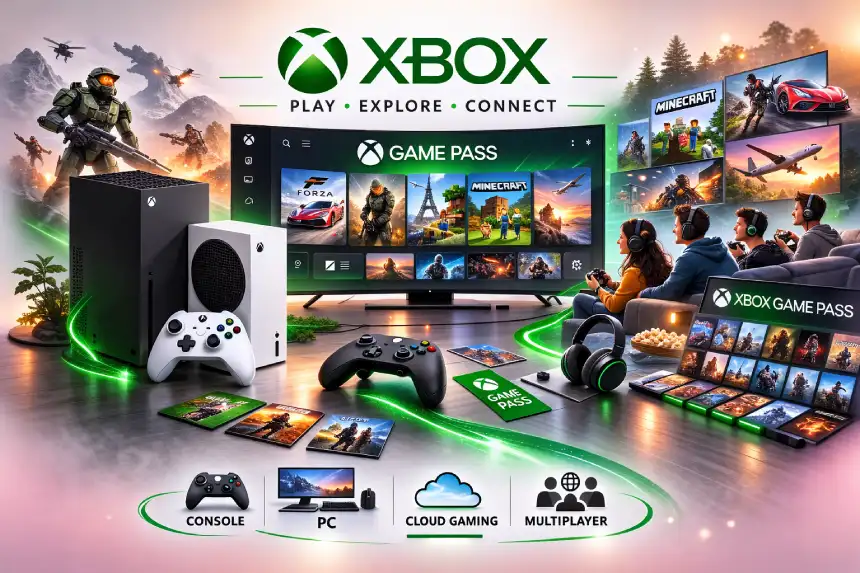
Xbox has grown quietly but steadily. It doesn’t demand attention with flashy promises. Instead, it adapts to how people actually play games today—sometimes intensely, sometimes casually, often socially.
If you see gaming as something that should fit into life rather than dominate it, Xbox feels less like a device and more like a companion. Over time, it becomes part of the background—reliable, flexible, and ready when you are.
You should also read:
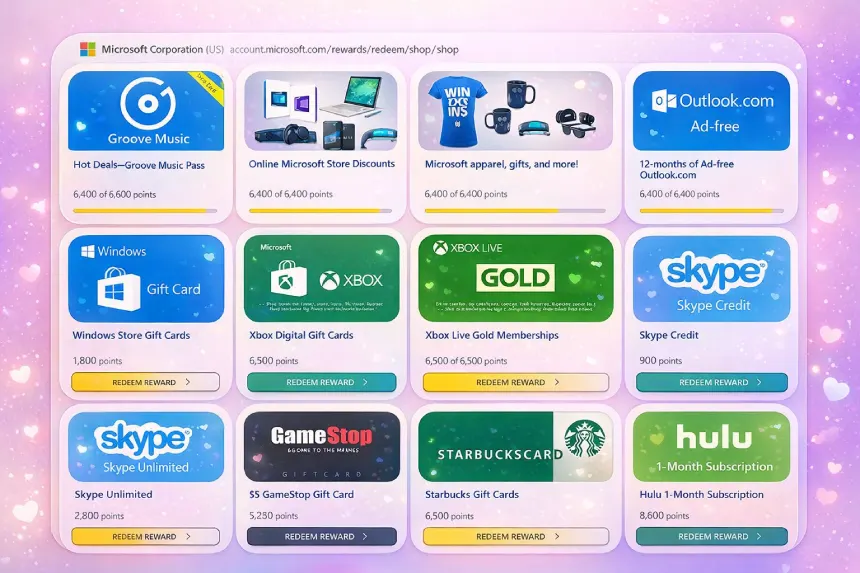
Bing Rewards: A Practical and Human Guide to Earning While You Search
Bing Rewards: Everyday Searching, With a Little Extra Value Think about how often you search the internet in a single day. Sometimes you’re looking for…
Continue reading...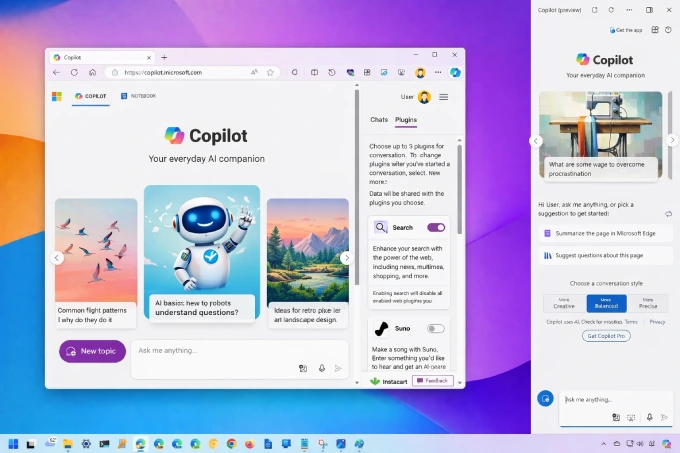
Bing AI & Microsoft Copilot: A Complete, Human-Focused Guide to the AI Assistant of the Future
Artificial intelligence is no longer something we “wait for” in the future — it is already shaping how we search, write, learn, and work today.
Continue reading...